We live in a situation of constant, ceaseless emergence. How can we cope? How can we respond ethically and intentionally when the wheel of innovation spins so much faster than the wheels of ethics, of philosophy, or of law? How can we prevent being stuck in a perpetual condition either of reaction or passivity?
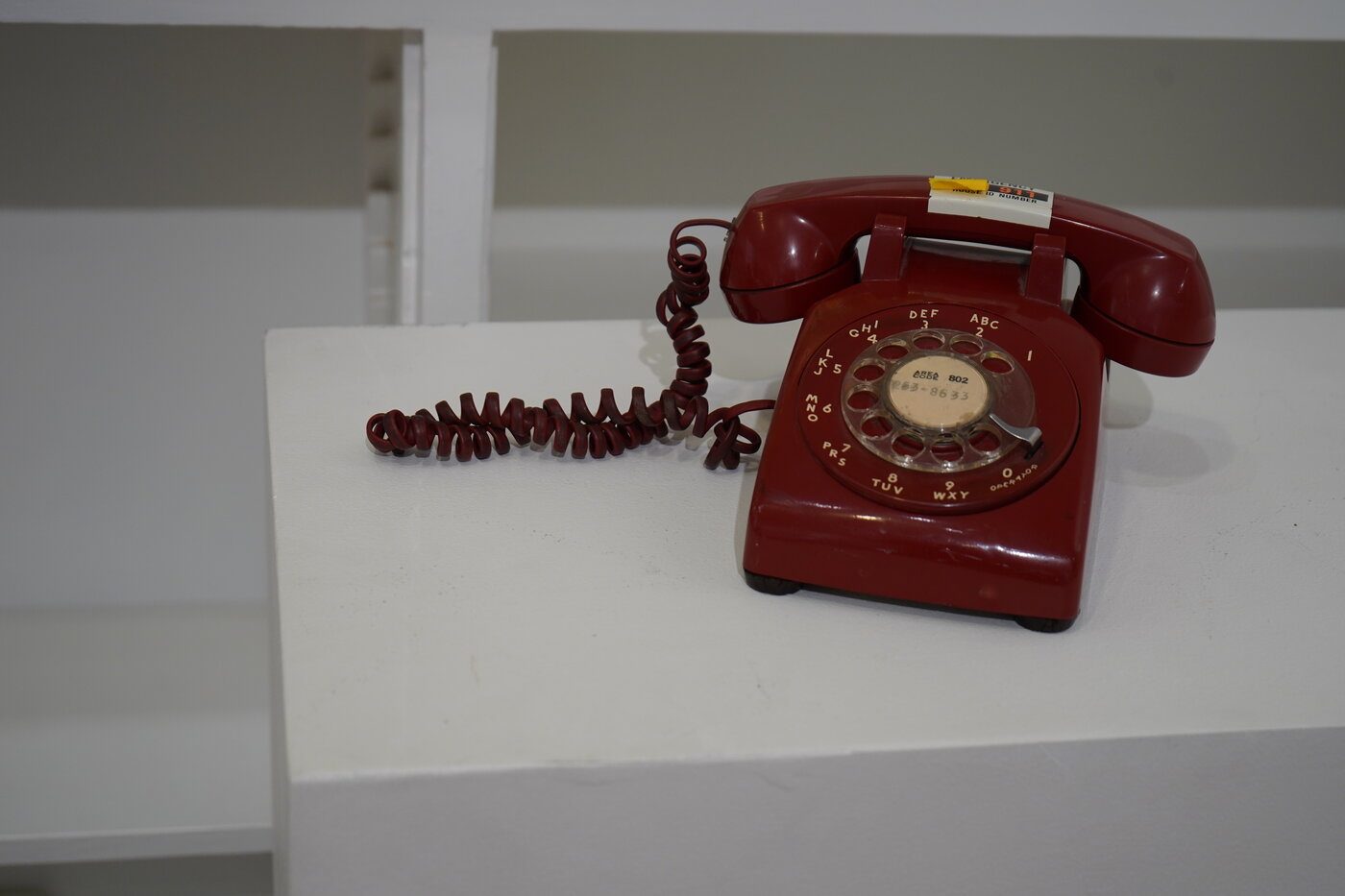
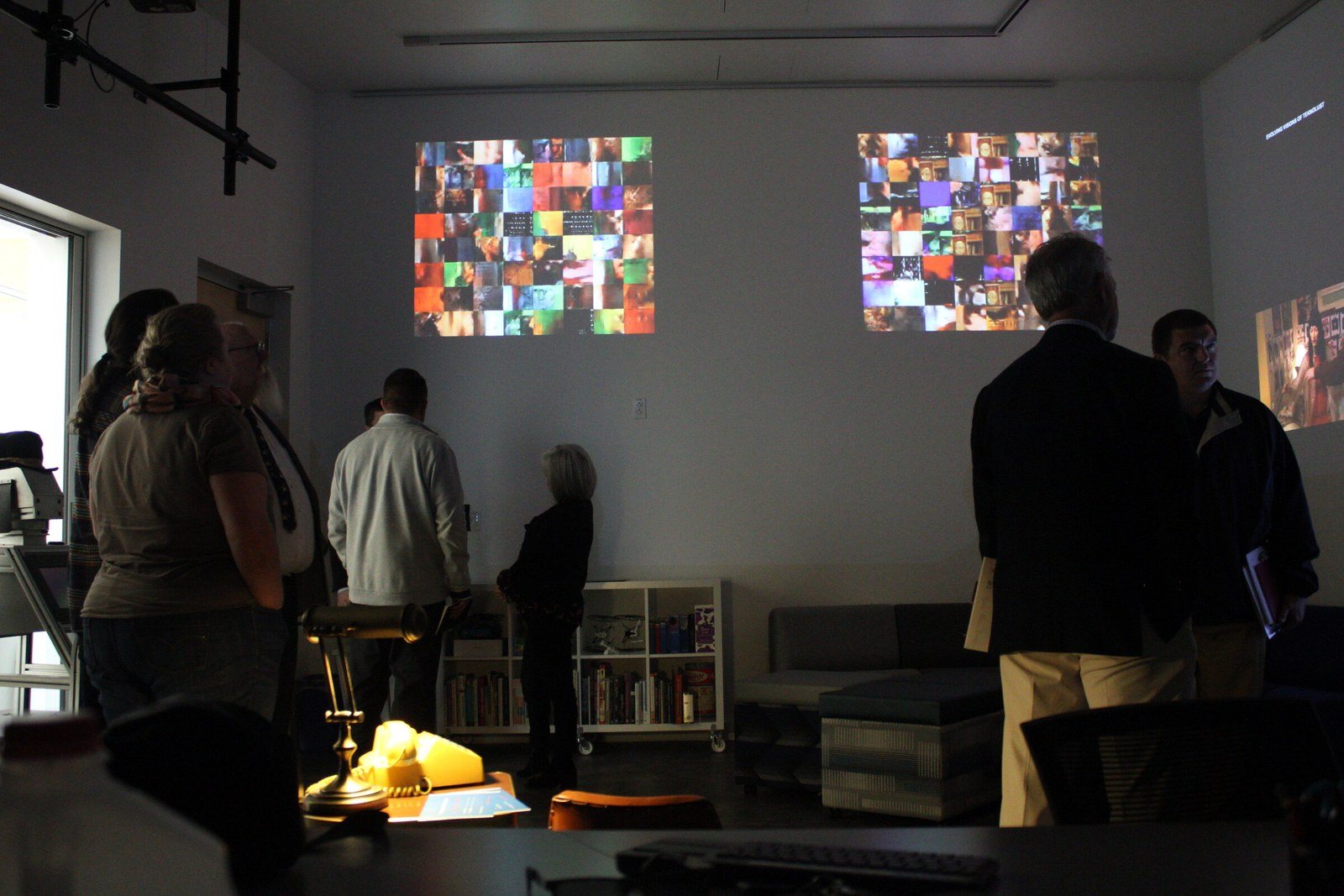
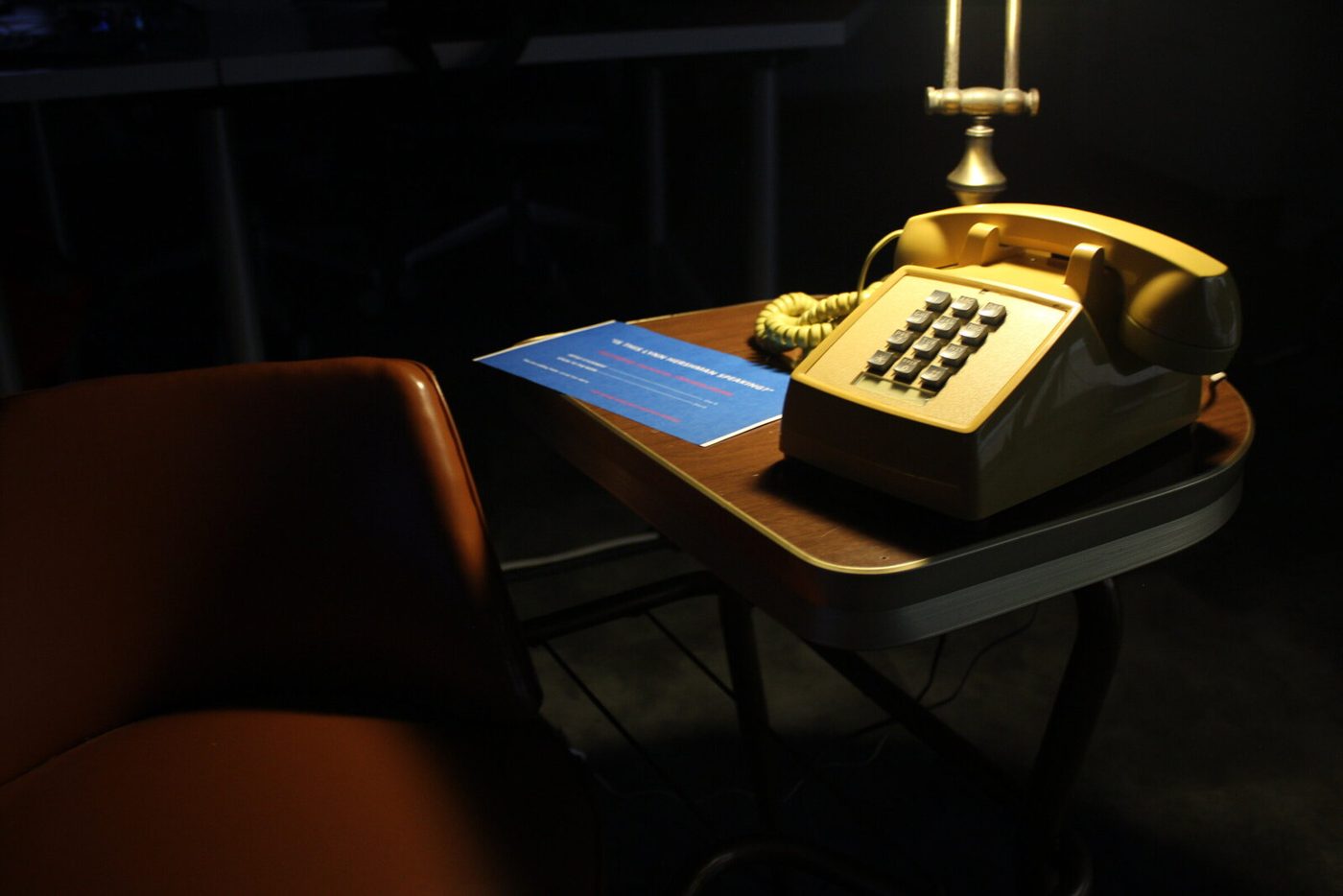
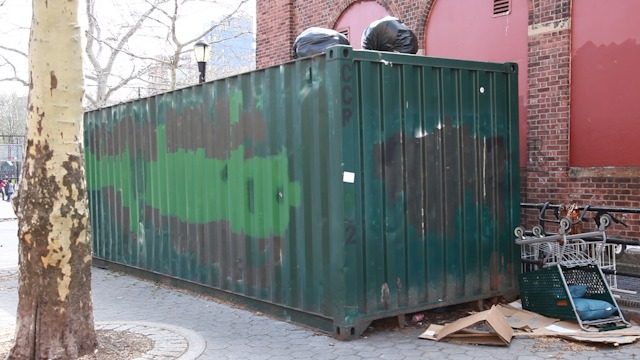
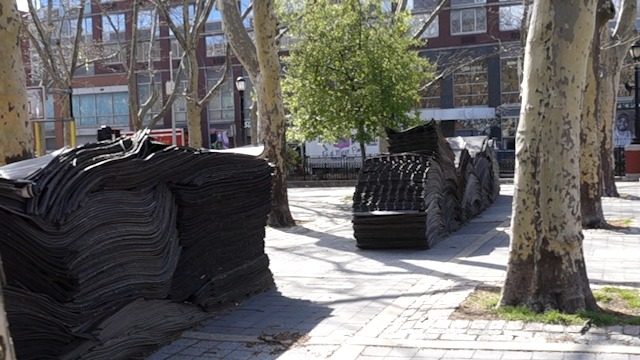
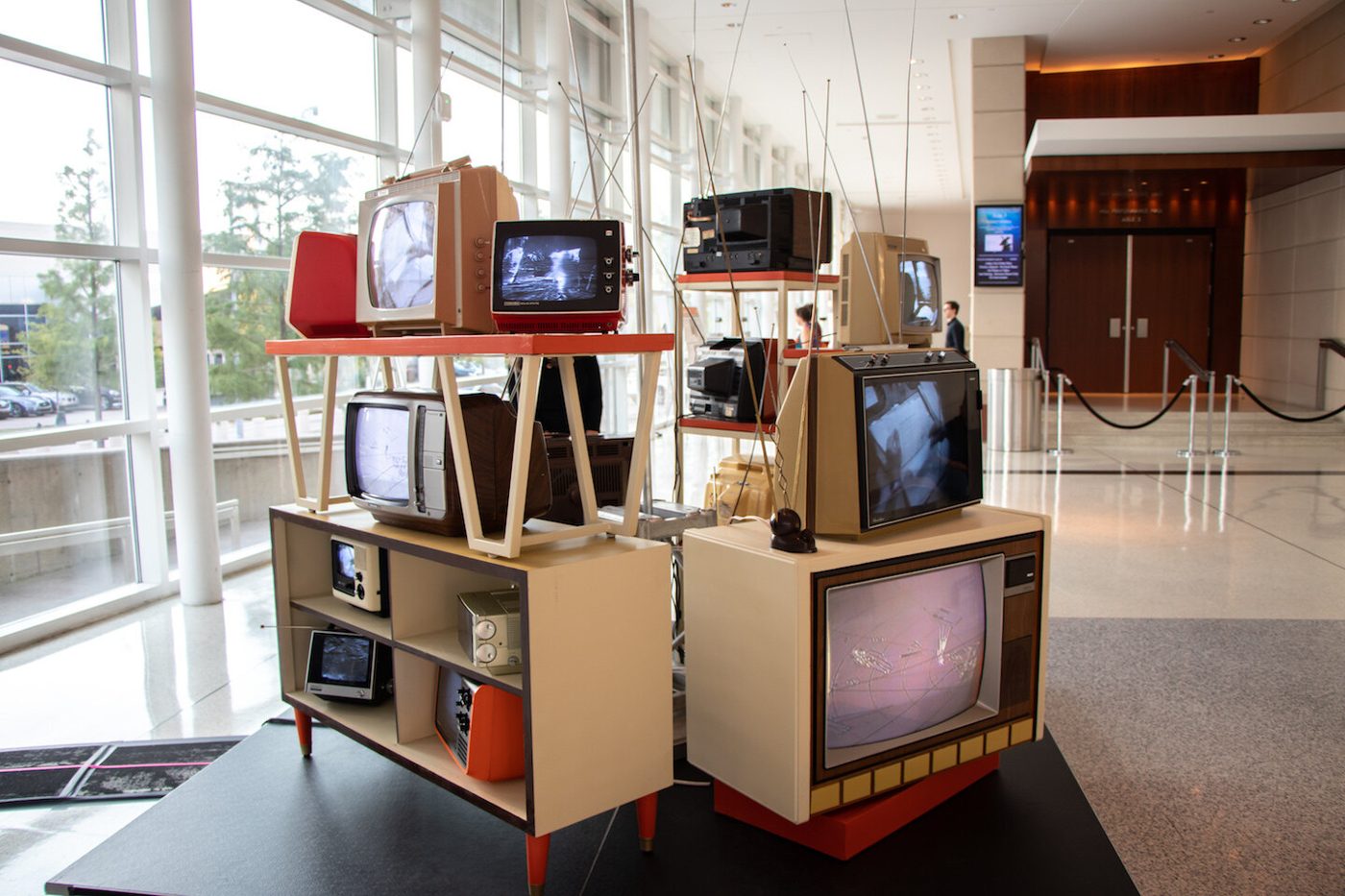
My research is worked out primarily in public interactives and immersive installations, founded in and through my investigations into vanishing technologies: the cathode-ray tube television, landlines and payphones, and other once-ubiquitous technical objects now in disappearance. This is not an appeal to nostalgia; on the contrary, encounters with actually existing objects ground and root our investigations, helping us investigate the technocultural order as it was – as best as we can access it – and not as we remember it from the present vantage.
Keep reading
I approach these not just as technical objects, but as residual elements of technocultures and infrastructures which remain foundational to the way we understand emerging technologies. Thus, not just televisions, but analog broadcast; not just telephones, but the public switched telephone network.
The effects of a given technology are most apparent at two junctures: when our lives first collide with the technology, and again when that technology begins to vanish from our everyday experience. Studying the abandoned, the obsolete and the overlooked can open a critical gap from which we can consider our technological and cultural situation with renewed understanding, working as a kind of cognitive crowbar.
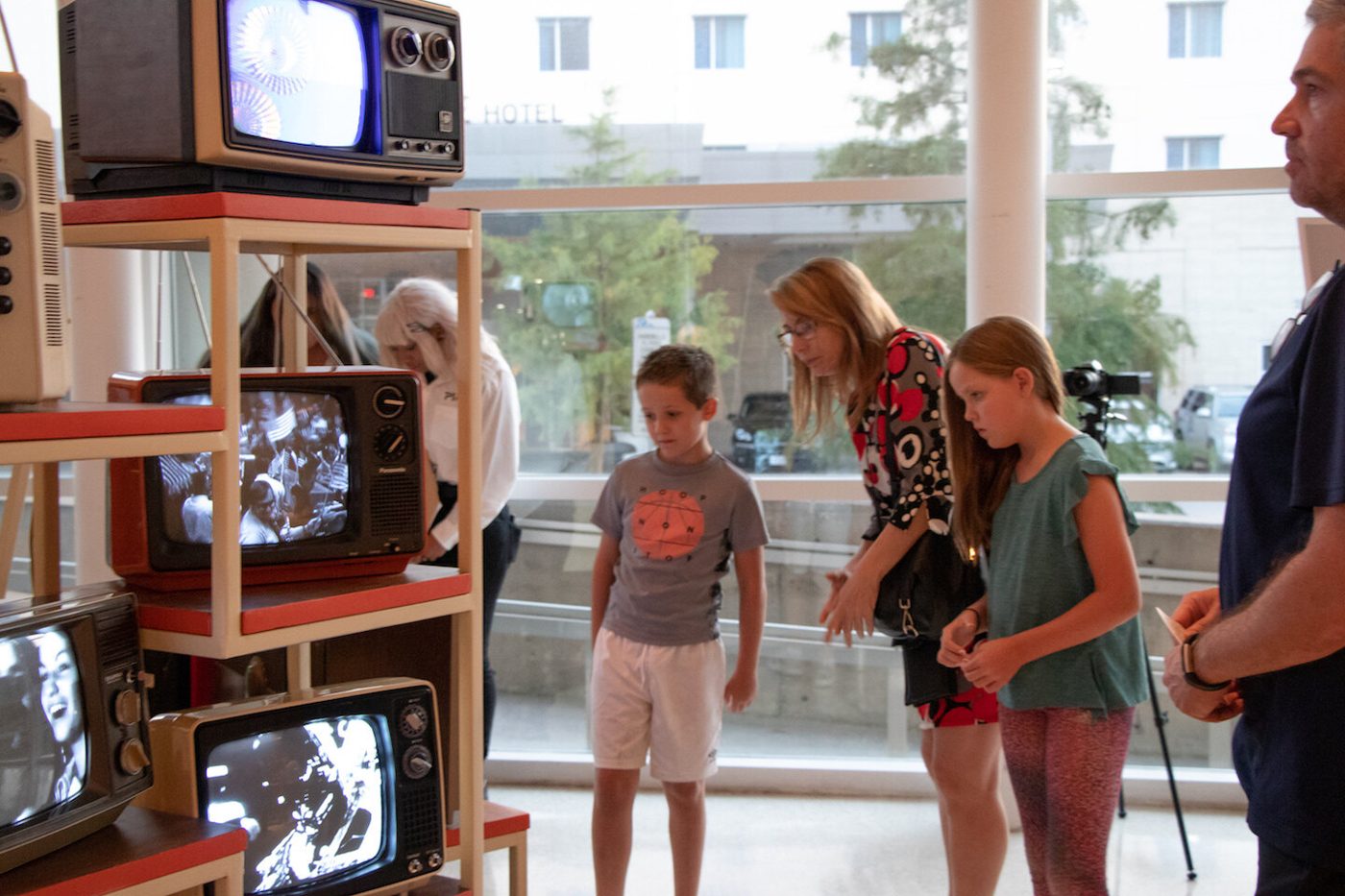
Our undergraduate research assistants on Far-Seeing Apollo were surprised to discover that the television sets still worked after fifty or more years of use or storage. Here was a peculiarity of working with residual media: the older the set, the more surprising it could be to encounter it in working order. Why? They had come of age in a culture of 18-month product cycles. It was no surprise for me, having come of age in a time when TV and radio repair shops still flourished; but their surprise was as surprising to me as the longevity of obsolete technologies was to them.
To those who once experienced a different technocultural order, significant technical objects serve as a potent reminder of how things once were, giving them a point of comparison to how things are now. To those who never experienced that order, these significant technical objects constitute an experience with a novel technoculture every bit as stimulating and enlightening as an emergent technology – sometimes, more so, as when residual technologies produce insights into how and why things are the way they are now.
In both instances, the construction of an intentional encounter with vanishing technologies produces an insight essential to anyone hoping to make a meaningful difference: the world was once differently constituted than it is now; consequently, it could be differently constituted than it is at present.
A technoculture that embraces this approach can help us design not simply in thrall to the dominant logics which drive us to move fast, break things, firstest with the mostest, damn the torpedoes, and all the rest of it; instead, to dream more ethically, responsibly, responsively, in the service of the kinds of worlds we would want to live in.
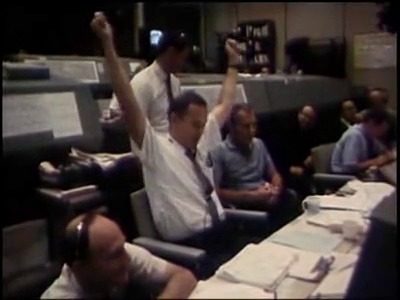 Mission Control
 Capsule
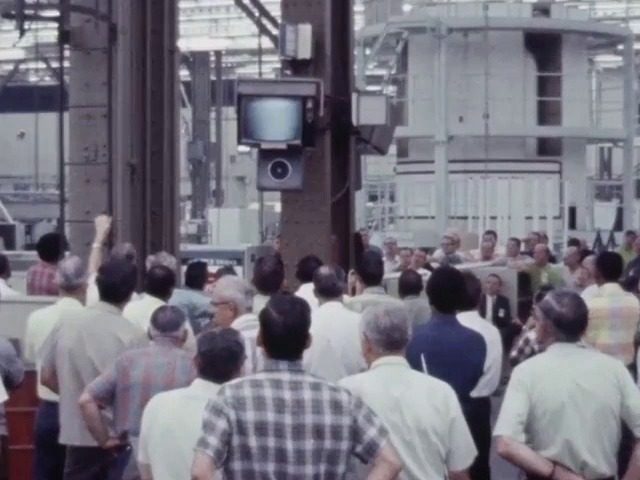 Crowd
 Home Audience
 Cosmic